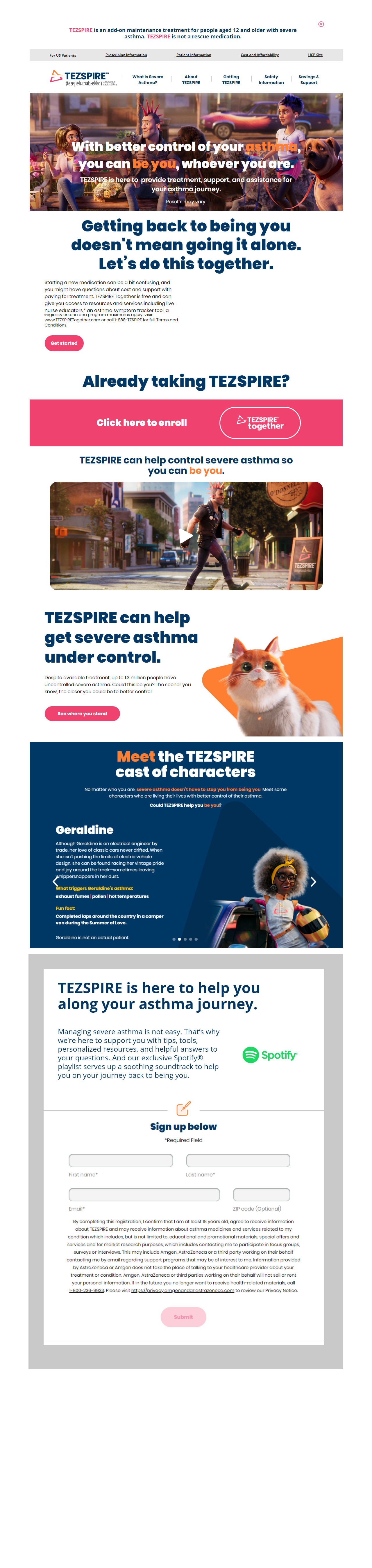
Scalable Modular Architecture & Dynamic Personalization Strategy
For the Tezspire.com digital ecosystem, I led the user experience architecture through an aggressive, multi-phase product evolution. Phase One established a robust, visually refined content strategy and structural baseline through comprehensive sitemaps and responsive wireframes. Phase Two expanded on this foundation, utilizing a highly advanced, data-driven module system to optimize content distribution, personalize the consumer journey, and seamlessly scale marketing assets under rigid pharmaceutical compliance constraints.
Contextual Wireframe Integration
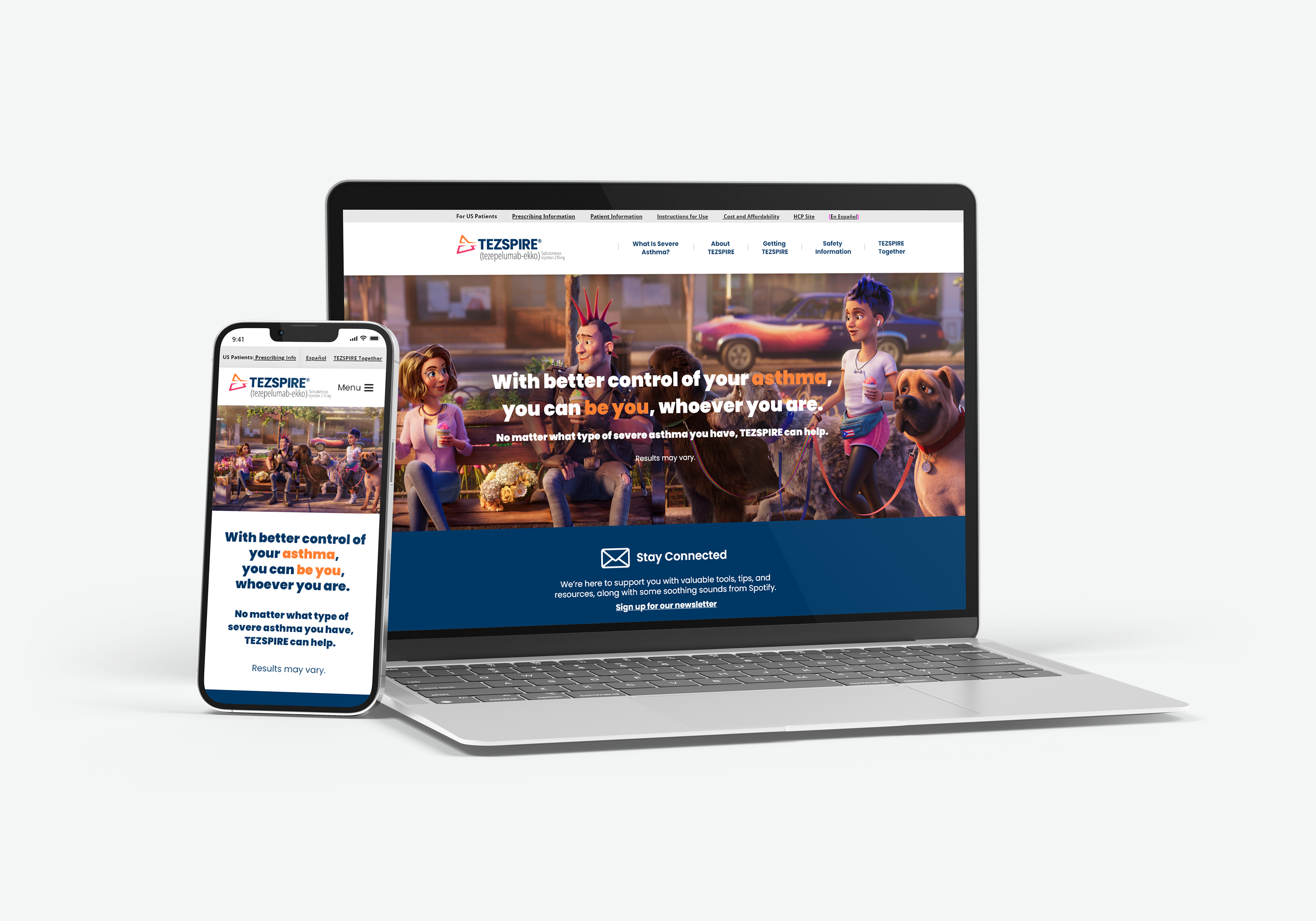
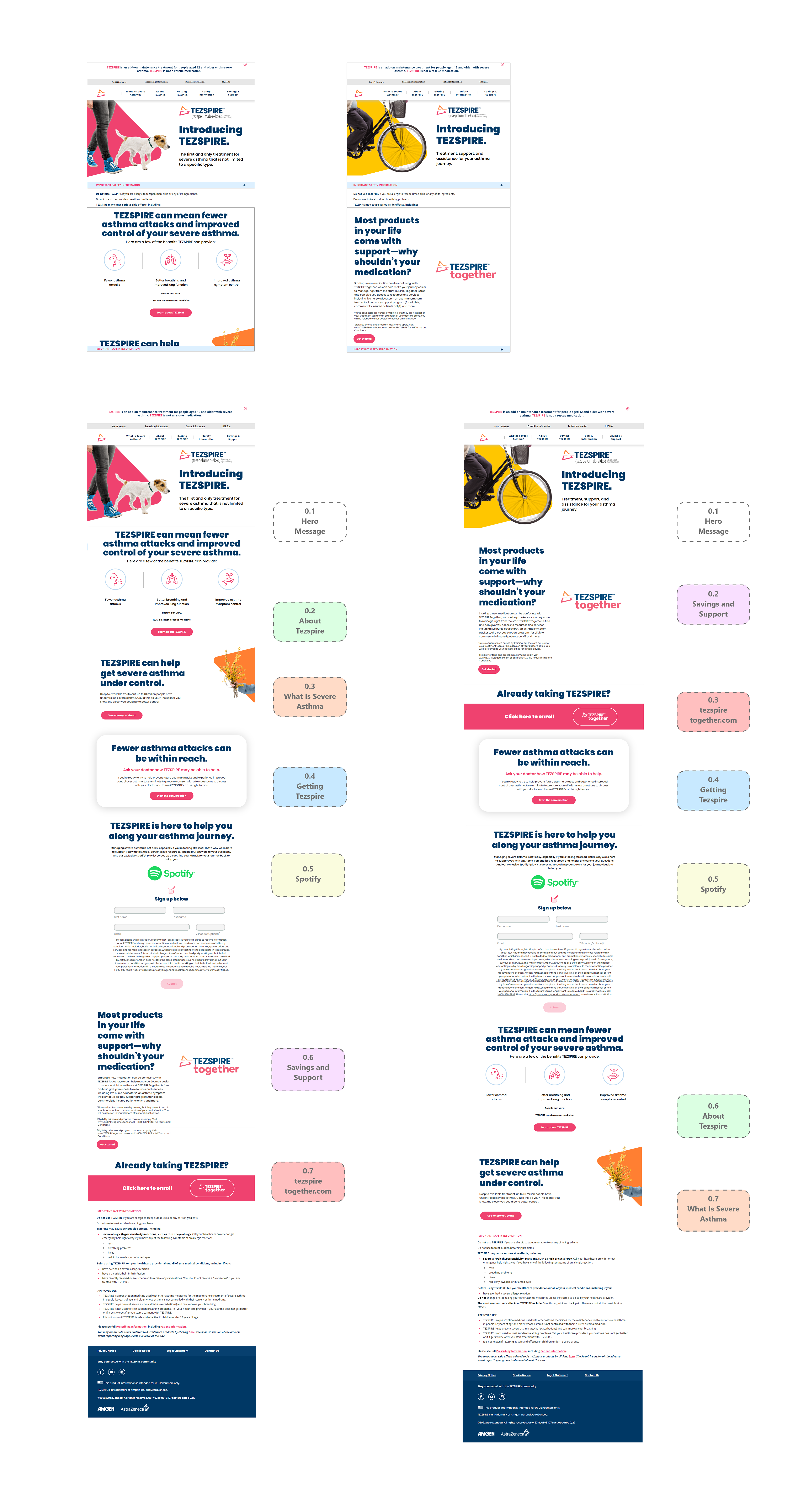
To add new, high-priority marketing content without disrupting the established design system, I developed a hybrid design methodology. By nesting low-fidelity component wireframes directly within existing high-fidelity production layouts, I allowed executive stakeholders to instantly visualize new content modules in context, preserving brand integrity and accelerating approval loops.
Structural Component Architecture & Taxonomy
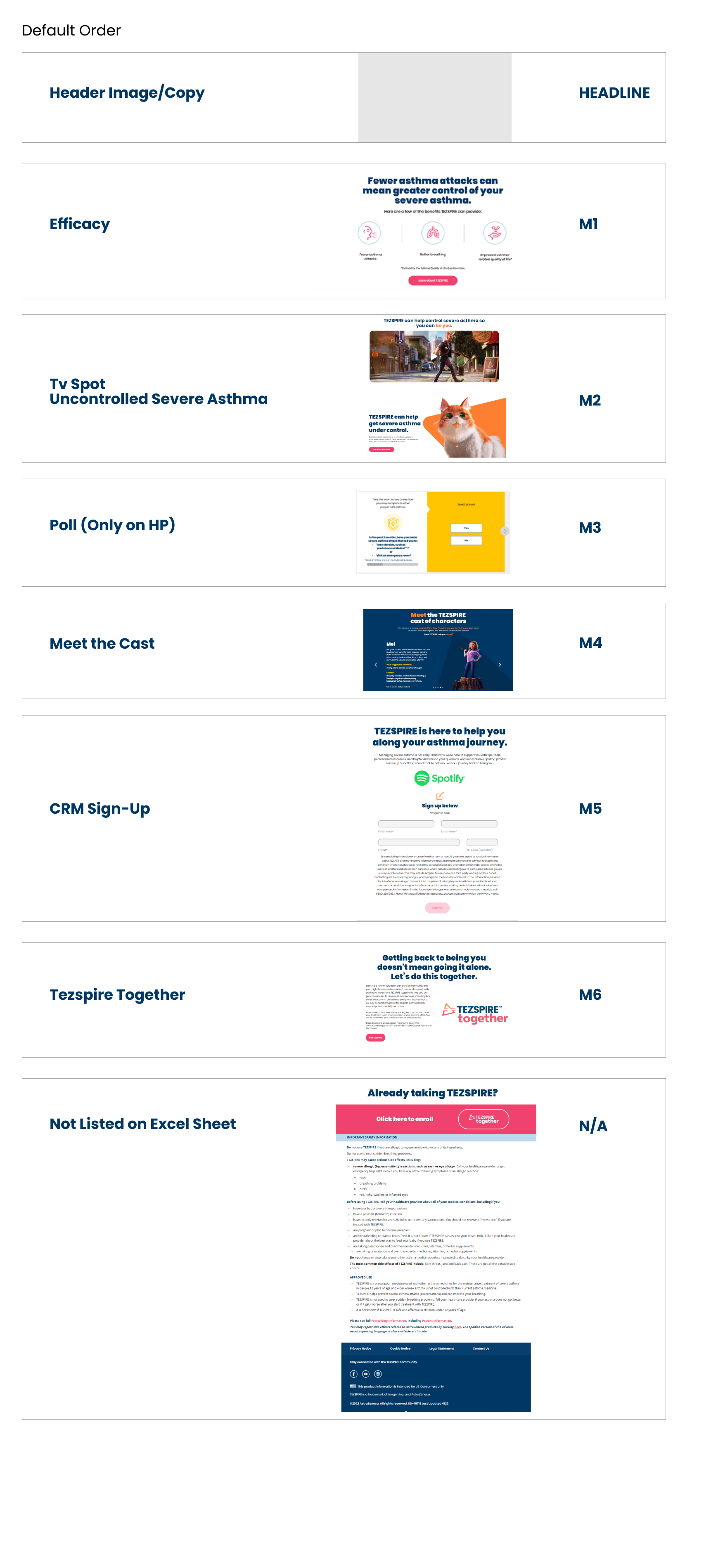
To manage the massive volume of content assets across the ecosystem, I engineered a rigorous module identification taxonomy. Combining descriptive metadata with sequential numbering structures, this system provided a unified single source of truth for design, content strategy, and engineering teams to track, reference, and audit components across the site.
Data-Driven Personalization & Responsive Module Engineering
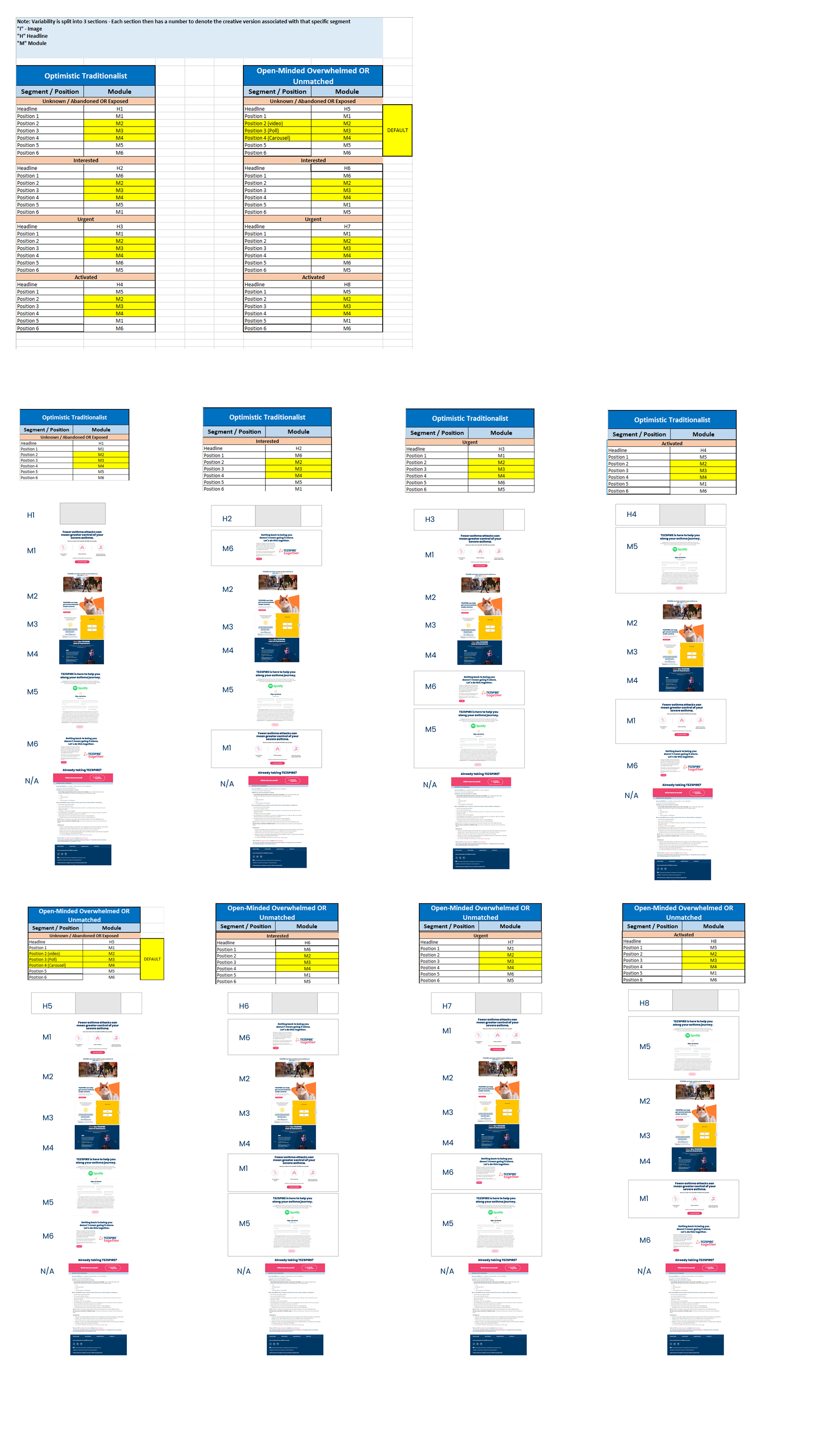
To optimize engagement, we engineered an intelligent, responsive module framework that dynamically re-prioritizes content layouts based on real-time user profiles.
-Algorithmic Hierarchy: By analyzing inbound traffic entry points and active on-site navigation pathways, the system programmatically determines user intent, automatically recalibrating the content hierarchy so that users encounter the most clinically relevant messaging first.
Specialized Component Mapping
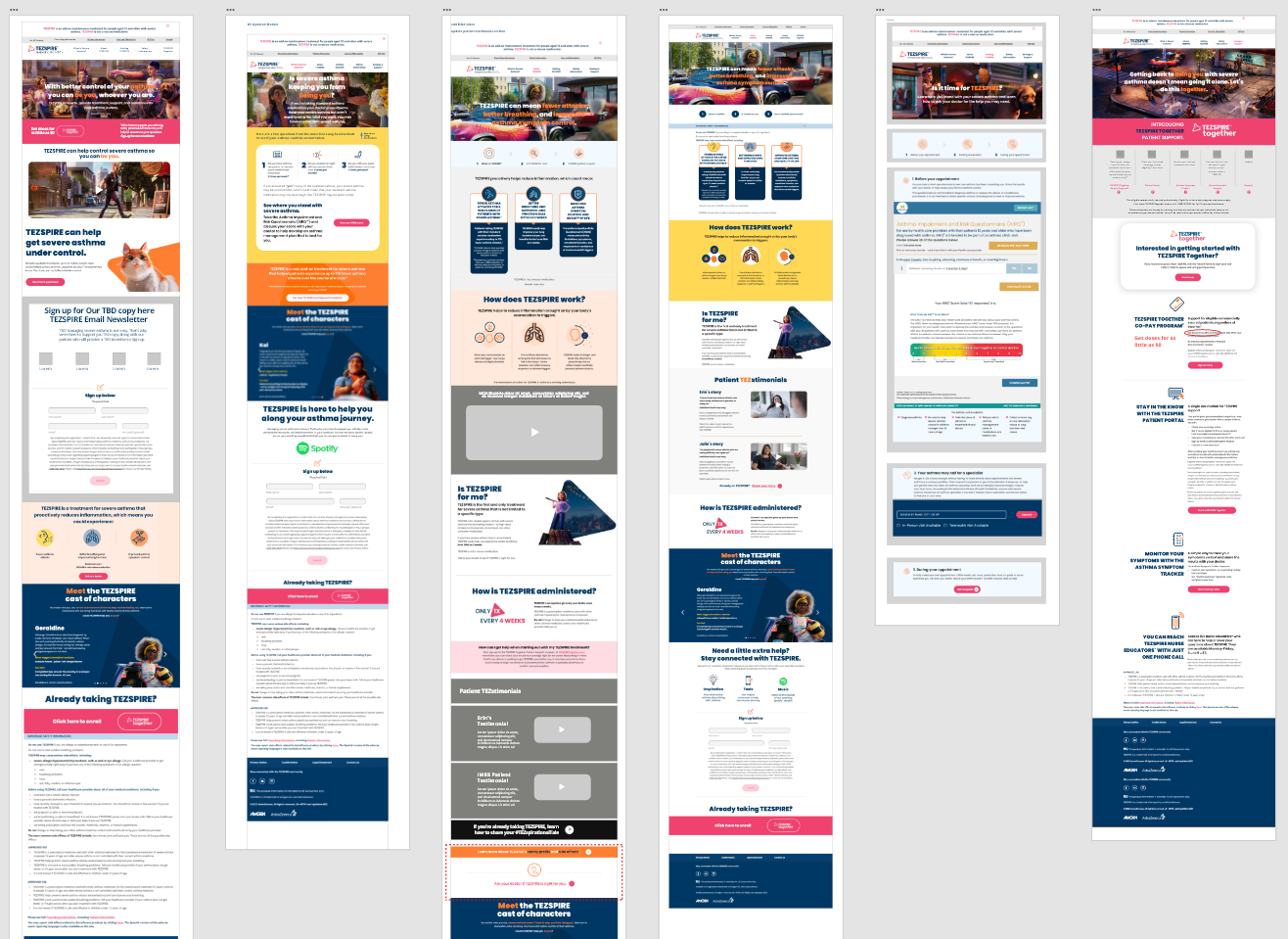
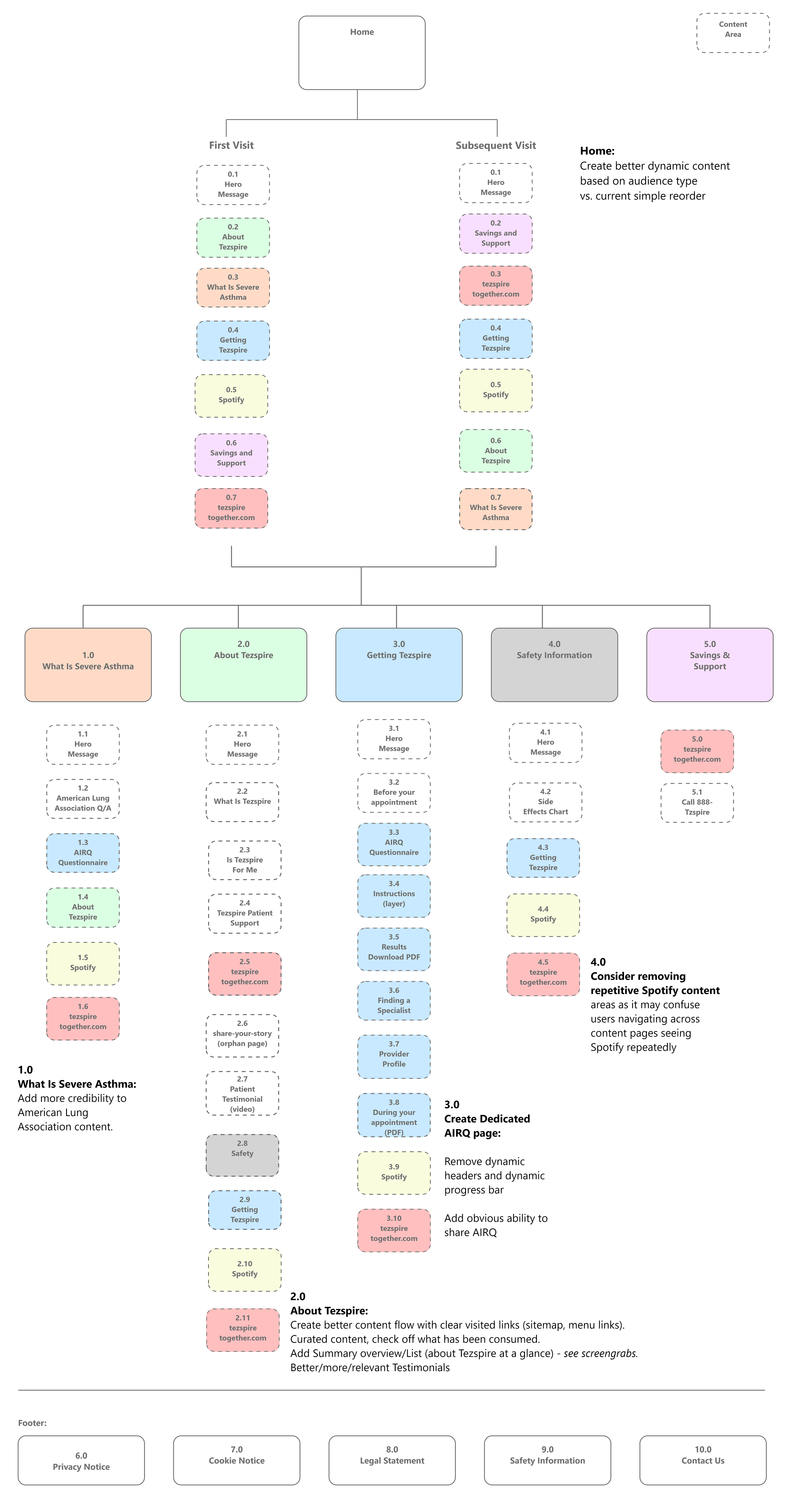
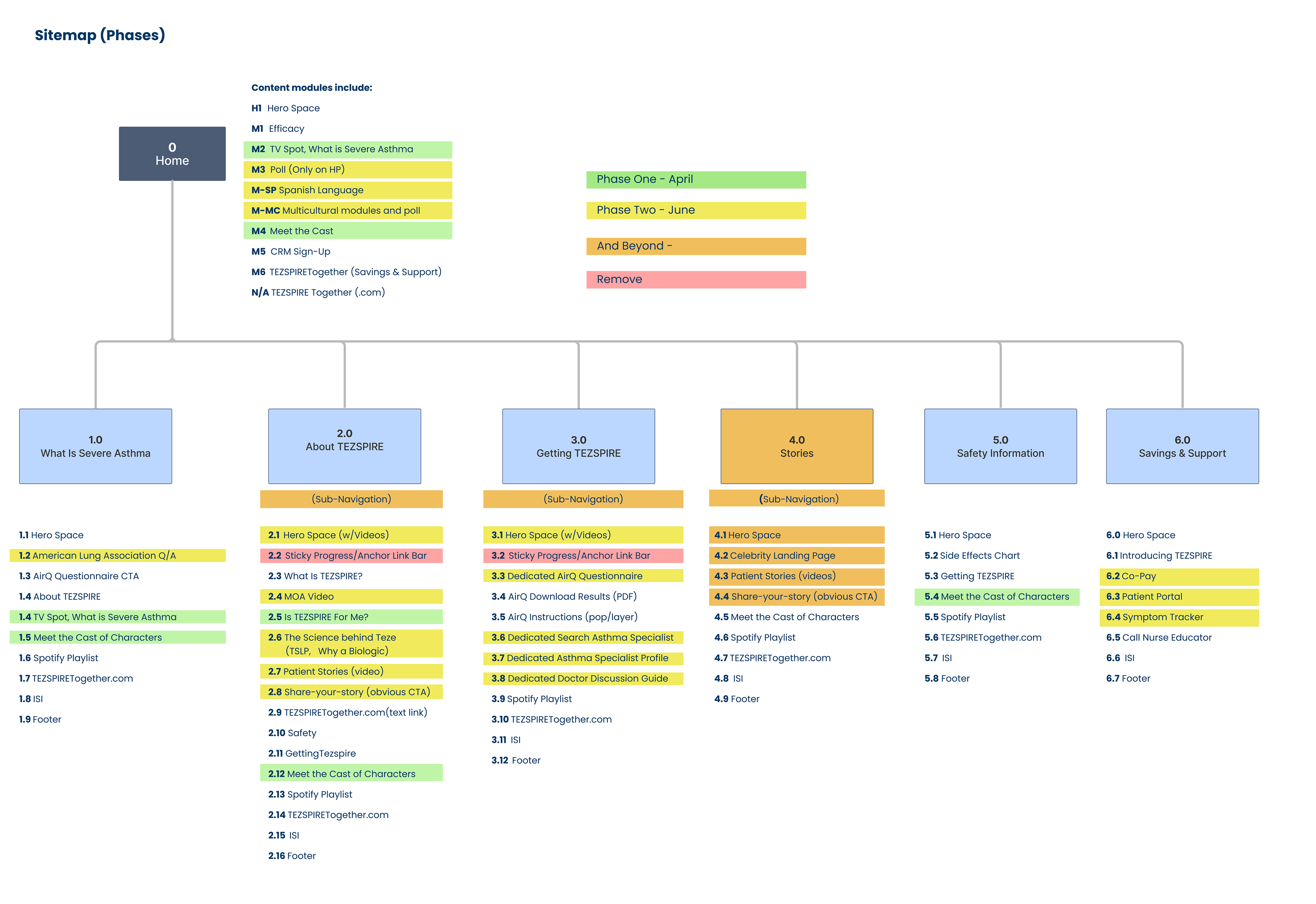
While traditional sitemaps focus on broad site-wide navigation, Phase One required a micro-level focus on assembly logic. I designed specialized component-focused sitemaps that mapped the precise interconnectivity, dependencies, and relational flows between individual modules on a single page, ensuring a flawless Phase One development build.
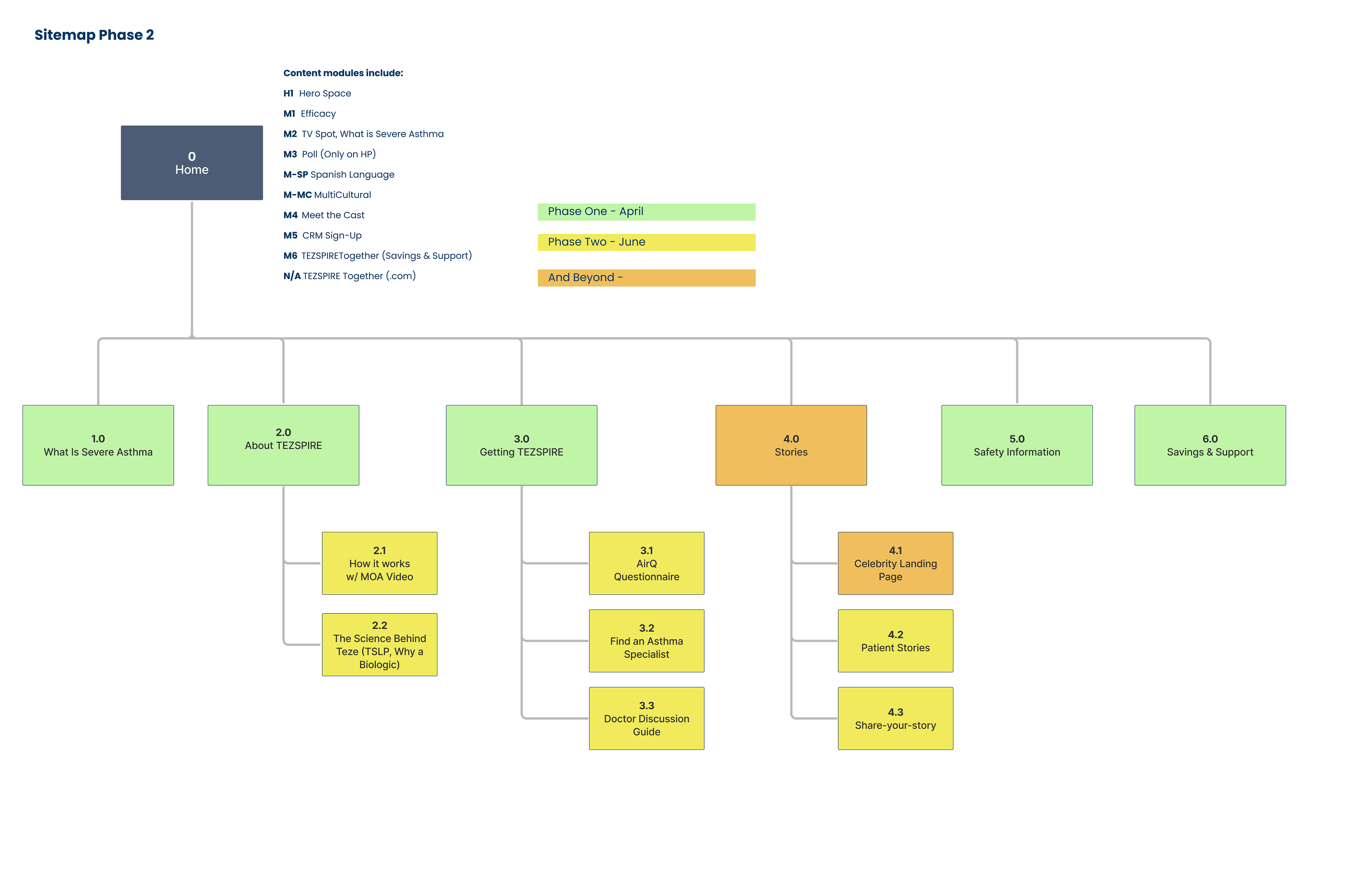
Multi-Phase Lifecycle Sitemaps
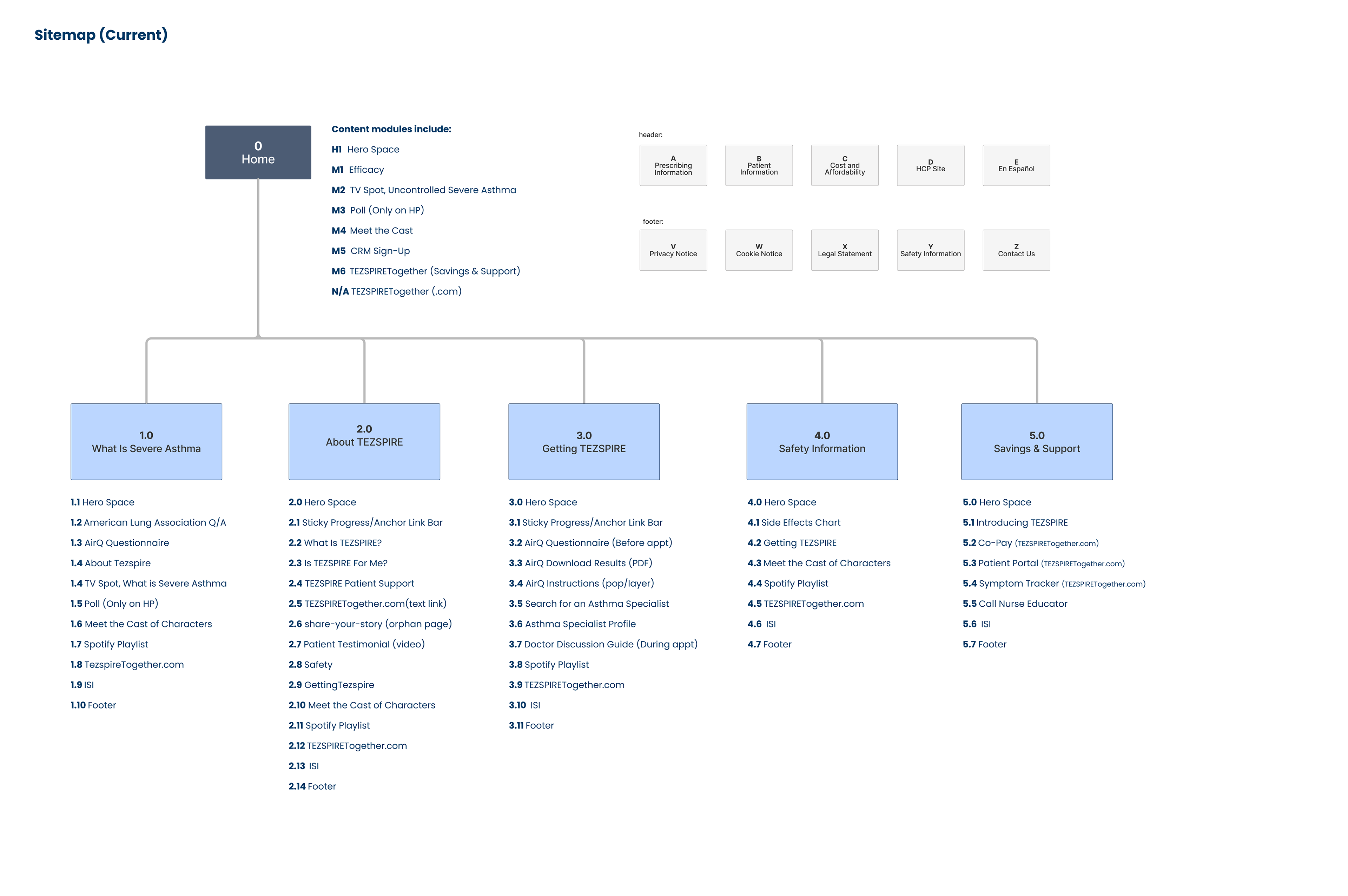
I authored comprehensive, future-state system architecture maps that integrated our current deployment footprint with the long-term product roadmap. By applying a strict, color-coded taxonomy, I enabled cross-functional stakeholders to instantly distinguish between active development phases and upcoming feature releases.
Architecture-Driven Navigation
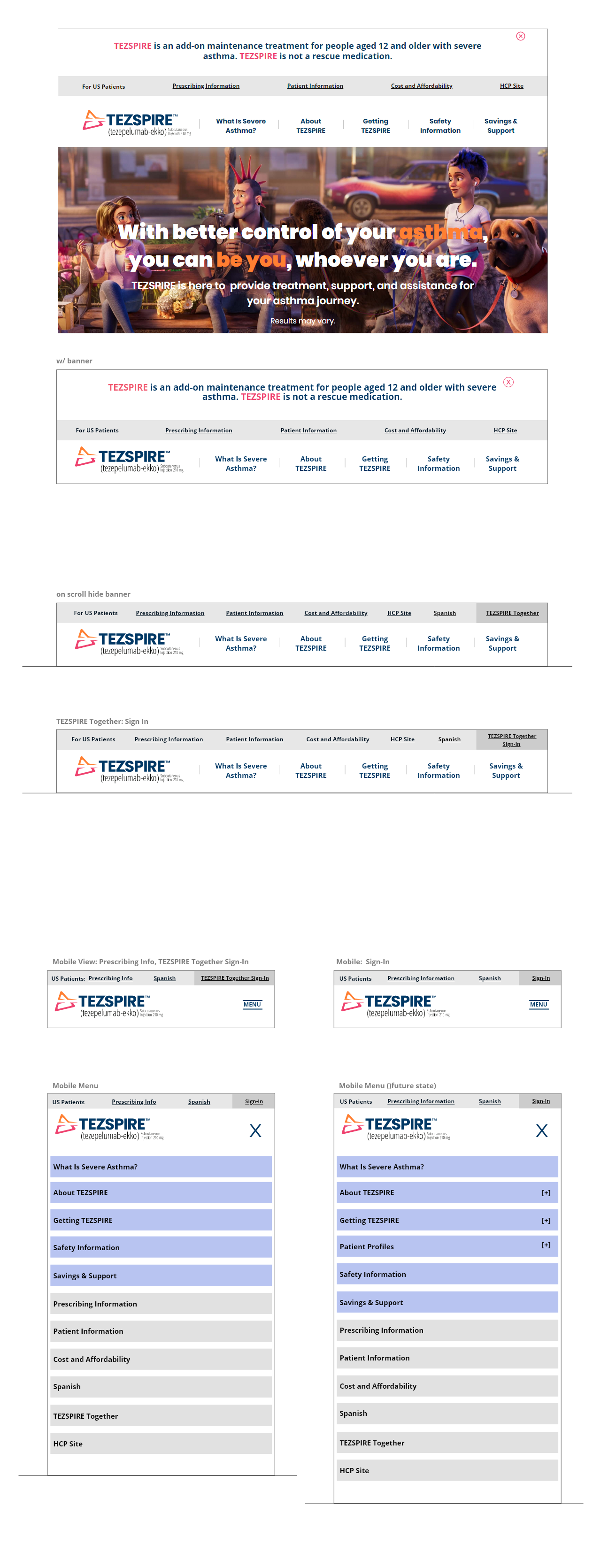
Engineered a highly intuitive navigation framework derived directly from the approved sitemap architecture, ensuring absolute structural consistency and aligning user pathways with stakeholder-validated business requirements.
Usability Audits & Interactive Pattern Analysis
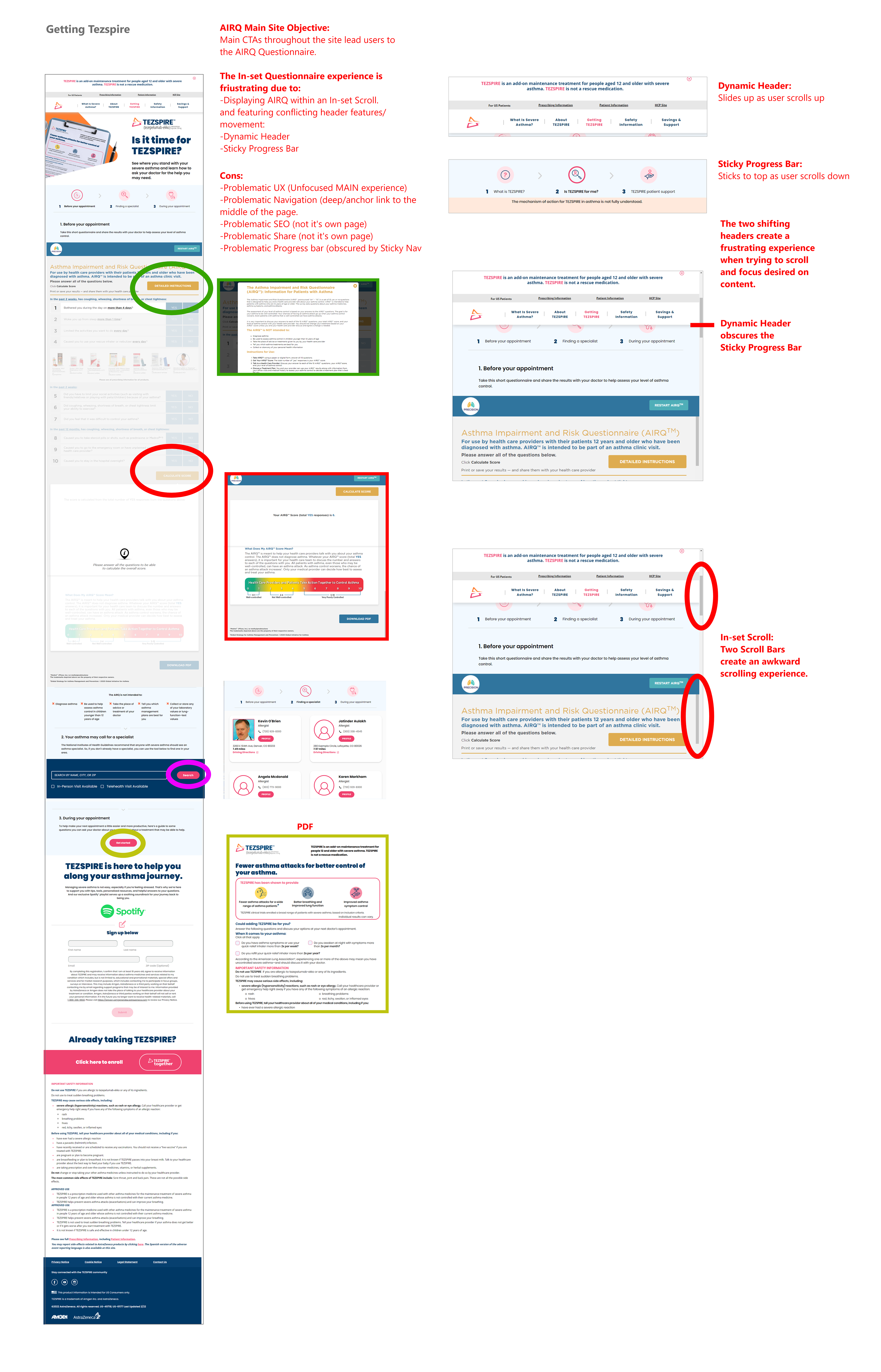
I conducted systemic usability audits across the web platform, translating user testing data into highly detailed, annotated documentation. This rigorous analysis evaluated component-level micro-interactions and broader page layouts to uncover hidden user friction, laying the analytical groundwork for continuous optimization.
Call-to-Action (CTA) Infrastructure Auditing
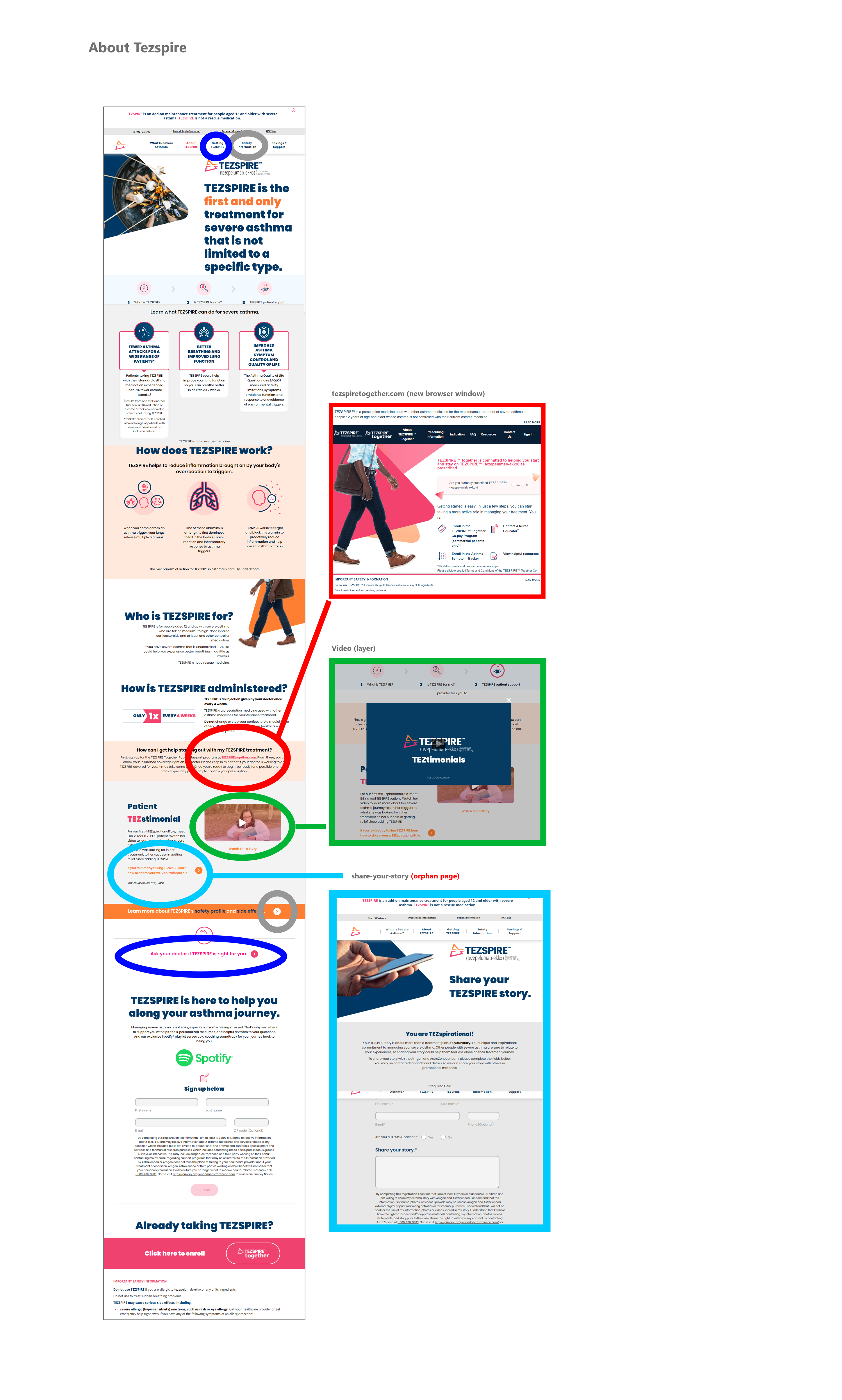
To eliminate drop-off vectors, I executed a technical audit of the site’s entire CTA infrastructure. I meticulously mapped link destinations and identified critical user-journey disruptions—specifically capturing legacy links that directed users to isolated content segments completely detached from the primary navigation framework.
Scalable Feature Extensibility
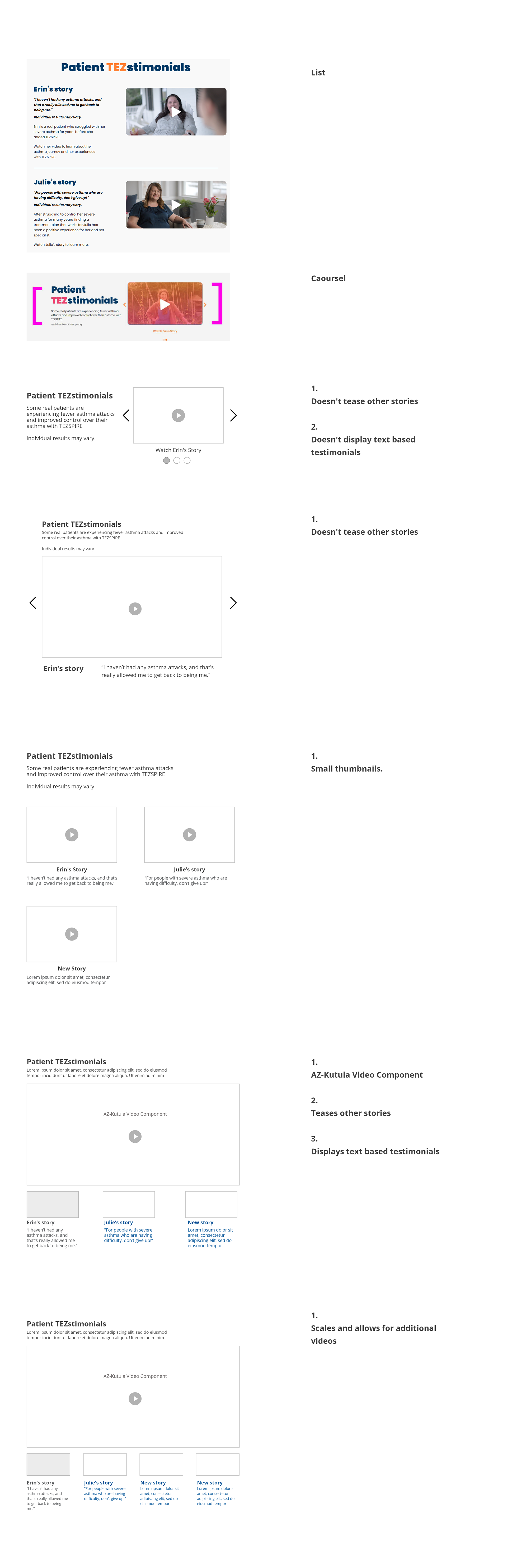
In implementing additional content modules, I leveraged established functional specifications to develop multiple parallel design solutions for team consideration. This transparent approach to component extensibility facilitated rapid stakeholder alignment and accelerated decision-making by clearly demonstrating each option's long-term growth potential and technical parameters.
Functional Specifications
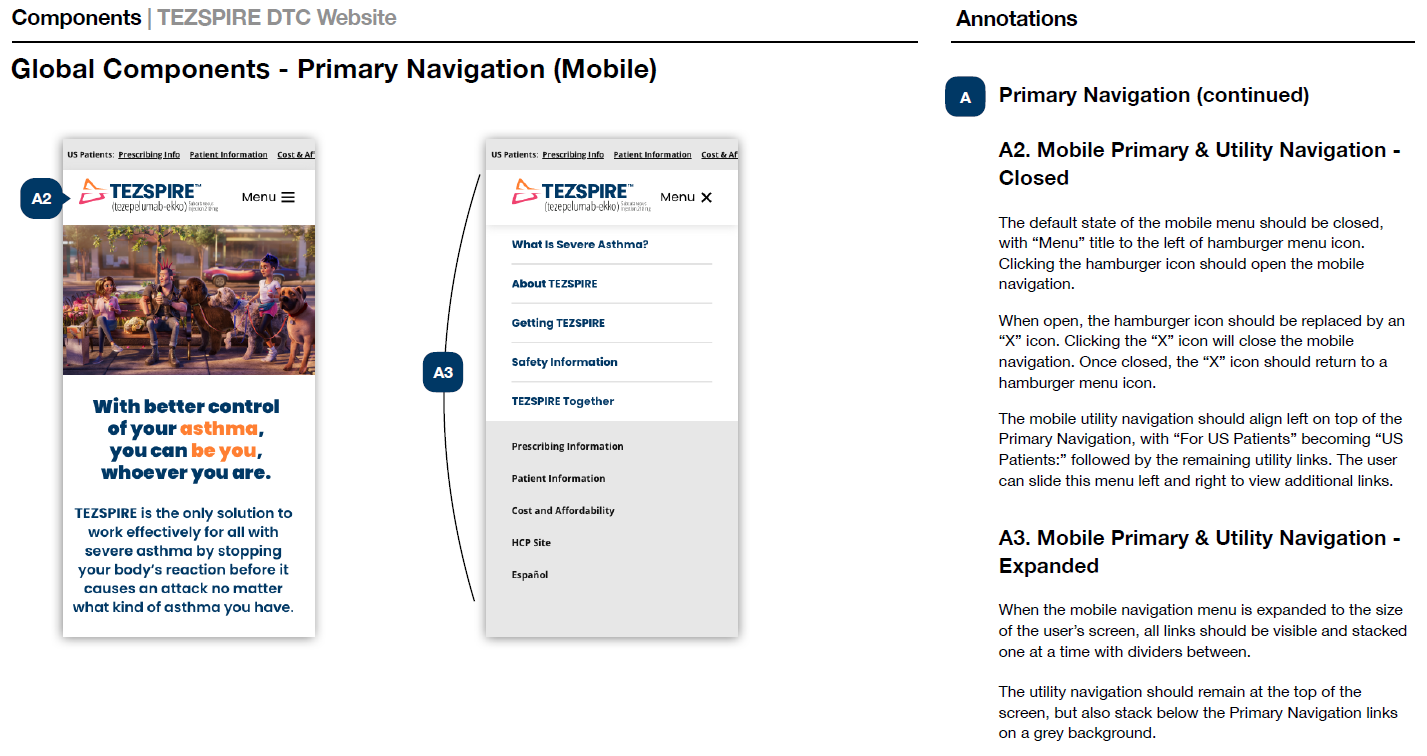
Near the conclusion of the design lifecycle, I authored complete functional specification documents, defining the exact technical parameters and behavioral logic of each module to ensure clean, unambiguous hand-offs to the engineering team.
Contextual Component Integration:
An illustrative example of nesting low-fidelity component wireframes directly within established high-fidelity layouts to seamlessly introduce new content modules while preserving overall design system integrity.